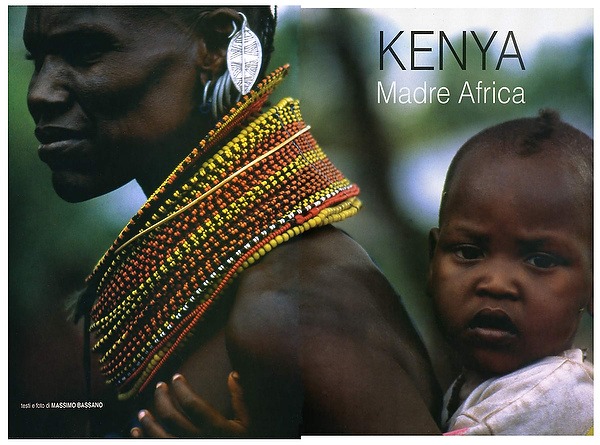
Kenya, Mother Africa
My already passionate experience of Africa changed one morning when the Director of the Kenya Tourism Board called me. "We have a job for you," the Director began. "Tell me you have time to go to Kenya." To be sure I deserved the title "a job for you," I asked, "Explain it to me carefully, and then I'll decide."
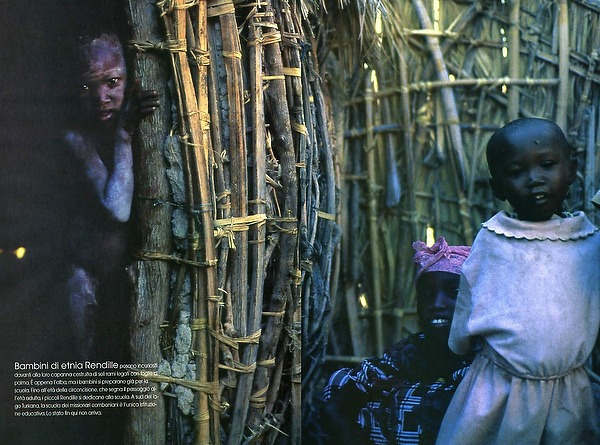
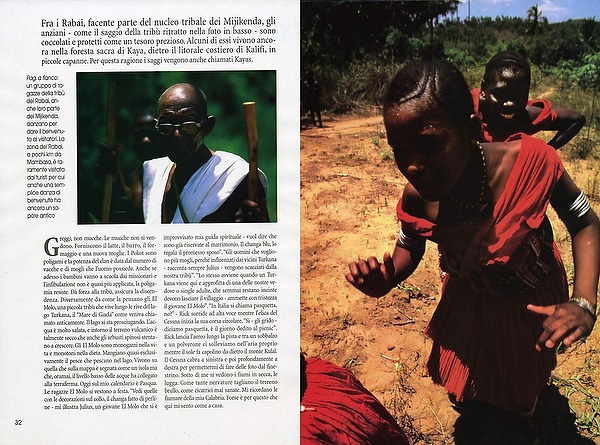
He didn't immediately use the term I use to describe my photography, but as soon as he began telling the general program, I had no doubts: it was anthropological photography. Discovering and describing human culture through a camera. My greatest aspiration as a documentary photographer trained at the National Geographic school.
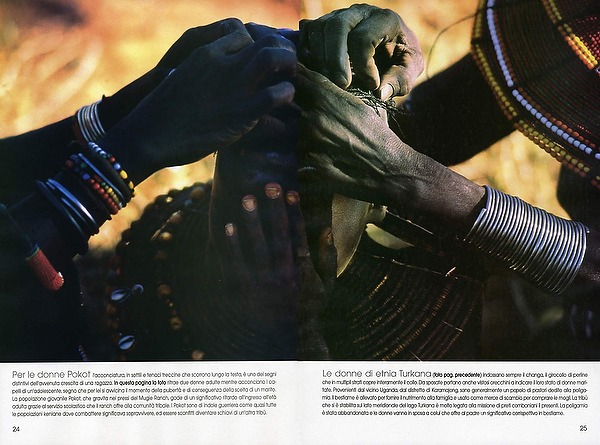
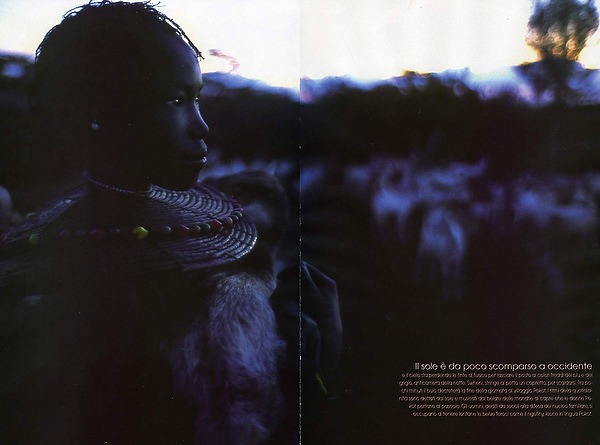
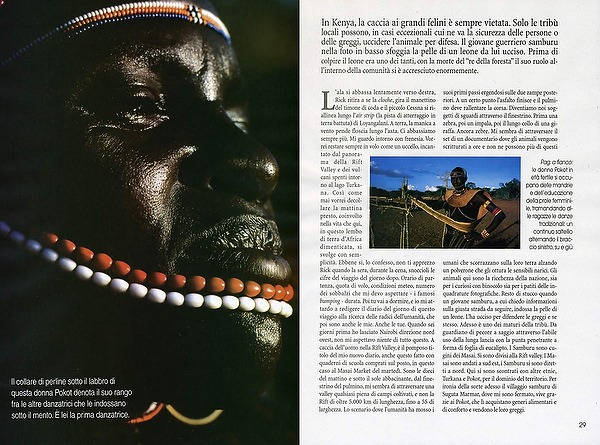
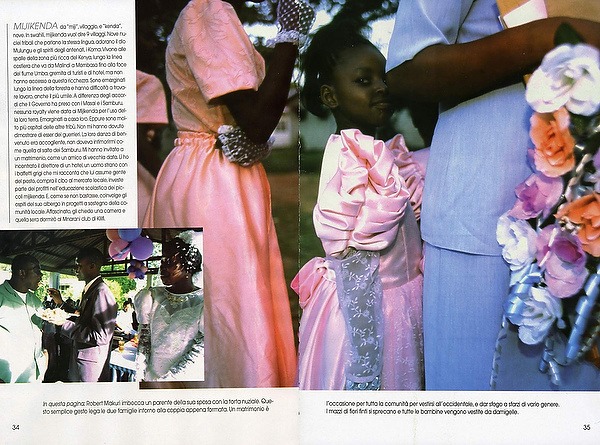
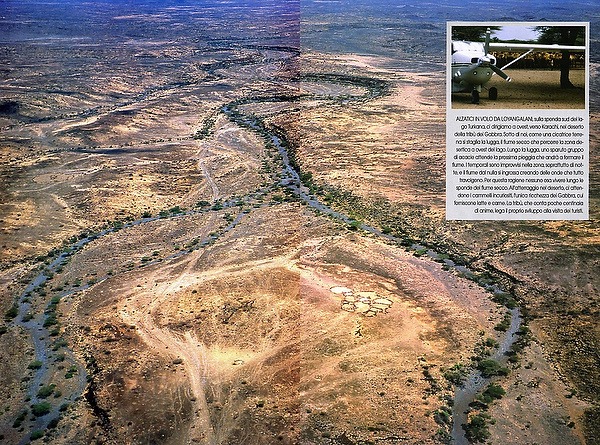
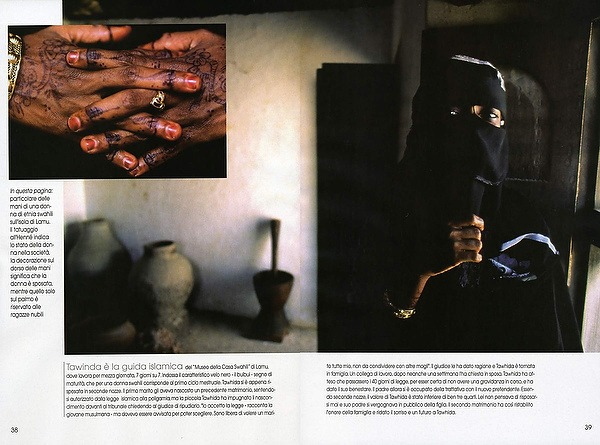
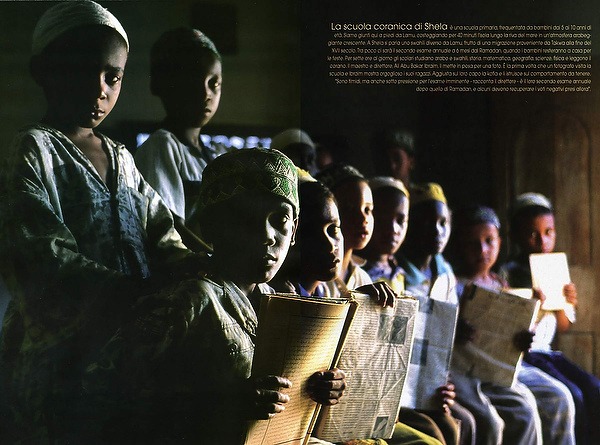
It wasn't just photojournalistic work, it was a human experience that I will always remember. Traveling the length and breadth of Kenya aboard a small tourist plane to reach otherwise inaccessible tribes. The population of Kenya is a melting pot of tribes who live together in the same country but have different customs, traditions, cultures, and languages, though many derive from the same Bantu and Nilotic lineage, with a minority being Cushitic.
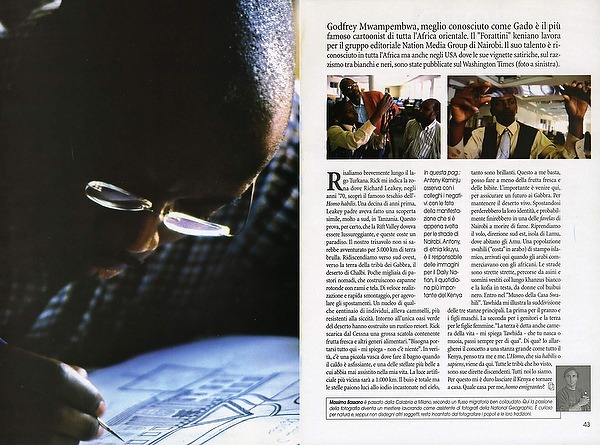
I didn't miss anything. I even asked to follow the most, let's say, emancipated tribes in our view, those who now live in the capital and work in modern times.
I had total freedom. I decided when to take off for my new destination. And it was always a difficult choice. With every stop of a few days, I put down roots and didn't want to leave immediately. But there were so many tribes, and the curiosity to discover the next one was stronger than the nostalgia of leaving the previous one. I took off looking back, severing a bond, and landed tying a knot with someone else.